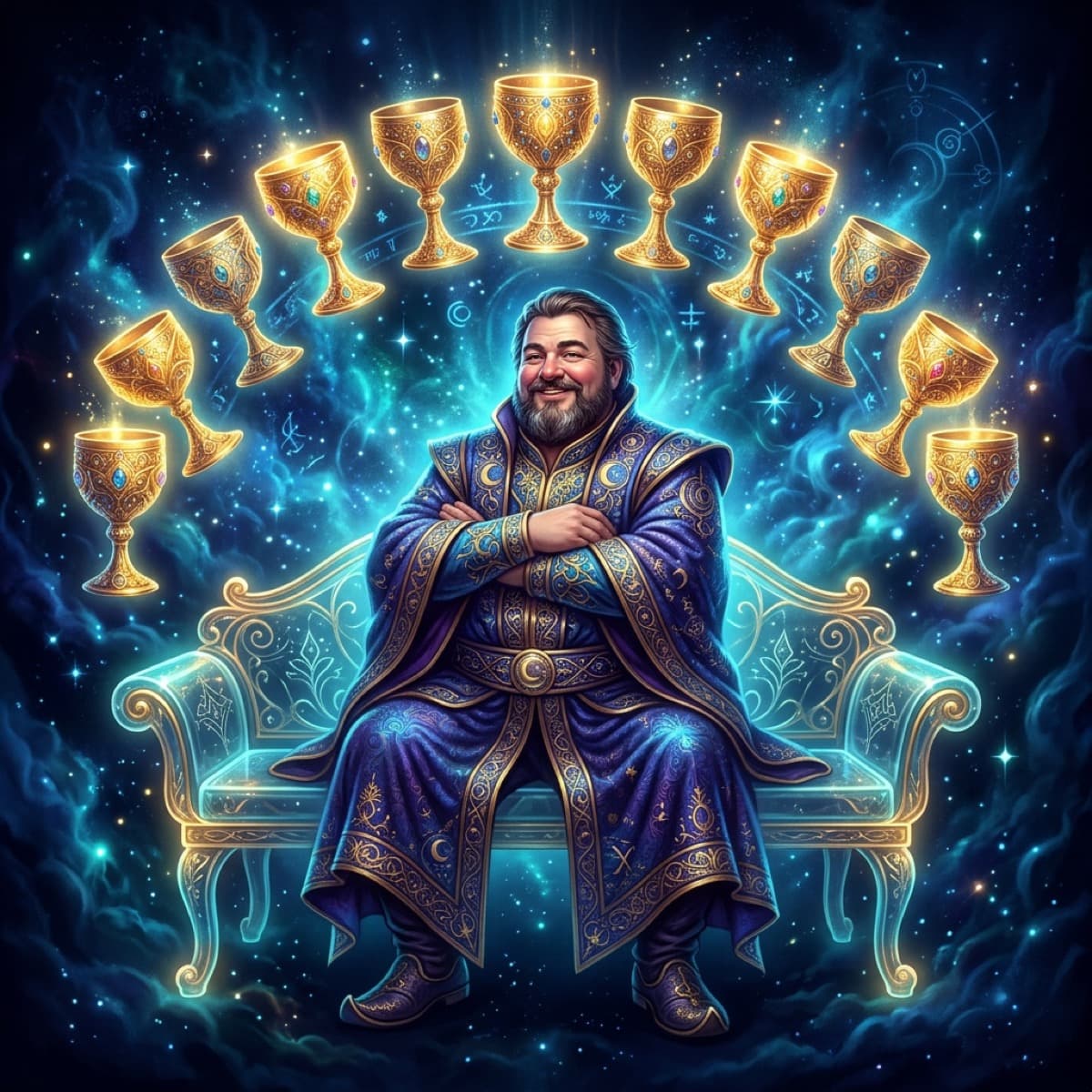
Key Insight
Yes, a post-breakup tarot obsession peaking around six weeks is a recognized psychological and spiritual pattern. It represents a subconscious search for control and narrative as the initial shock of the breakup fades. This intense phase uses tarot's symbolism for intuitive processing, acting as a mirror for internal turmoil. While it can provide temporary structure, the danger lies in using it as an avoidance tactic or a substitute for genuine healing, seeking answers about an ex instead of focusing on personal growth and real-world action.
Want your personalized reading?
Experience our AI divination system combining ancient wisdom with modern insights.
Executive Summary: Yes, a "post-breakup 6-week tarot obsession" is a very real psychological and spiritual phenomenon. It's not about fortune-telling, but a subconscious search for control and narrative in the chaos of loss. At this specific 6-week mark, the initial shock wears off, leaving a void that tarot's structured symbolism can temporarily fill. This intense phase is a form of intuitive processing, but it risks becoming an avoidance tactic if not balanced with grounded action.
Why 6 Weeks? The Psychology of the Tarot Crutch
In my decade of guiding clients through heartbreak, I've observed a distinct pattern. The six-week mark post-breakup is a critical juncture. The initial numbness and survival mode fade, and the stark reality of "this is my life now" sets in. This is when the tarot obsession often peaks. It's not mere curiosity; it's a desperate, intuitive grasp for a map where none exists. The cards become a mirror for the turmoil inside—the Three of Swords reflecting your pain, the Eight of Cups validating your need to walk away.
This obsession serves a hidden function: it externalizes the internal dialogue. Pulling cards daily gives a sense of agency in a situation where you felt powerless. However, the danger lies in substituting card pulls for genuine healing. I've seen clients, much like the single mothers under 25 desperate for guidance, fall into a loop of seeking the "perfect" spread that promises reunion, rather than using the cards to understand their own growth. It's a subtle form of magical thinking, where the deck becomes the ex-partner, and every reading is a hoped-for message from them.
| Healthy Tarot Use (The Guide) | Obsessive Tarot Use (The Crutch) |
|---|---|
| Asks: "What lesson is here for me?" | Asks: "Does he miss me? When will he return?" |
| Seeks clarity on personal patterns (e.g., Justice card) | Seeks certainty on another's actions (e.g., Knight of Cups) |
| Uses readings as a weekly check-in for self-reflection | Performs multiple daily readings, seeking a "better" answer |
| Integrates insights into real-world actions (therapy, hobbies) | Replaces real-world action with more reading/research |
A recent client, Sarah, came to me after six weeks of non-stop three-card pulls. She confessed, "The cards are the only thing that makes me feel connected to him." We shifted her focus. Instead of asking about 'him,' we used a single daily card to answer: "What quality do I need to nurture in myself today?" The Ten of Pentacles didn't bring him back; it guided her to call her family. That was the real healing.
The fixation often stems from a deep fear of the unknown future. Tarot offers a framework, a story, where life feels like random, painful fragments. My proprietary "Phoenix Spread" for breakups doesn't predict reconciliation; it maps the terrain of your own rebirth—what to release (The Devil), what to grieve (Five of Cups), and what inner strength is emerging (The Star).
Ready to explore this for yourself? Try a free tarot reading now and see what the universe reveals about your situation.
Navigating From Obsession to Empowerment
Try It Now — Free Reading
✦ 100% Free · Private · Instant Results
If you're in this spiral, know it's a sign of a seeking heart, not a broken one. The goal is to transition from using tarot as a Ouija board for your ex, to using it as a compass for yourself. Here’s how:
- Impose a Reading Limit: One intentional spread per week. The space between readings is where you actually live the answers.
- Anchor in the Physical: For every hour spent with tarot, spend an hour in tangible self-care—a walk, cooking a meal, a creative project. Balance the mystical with the material, just as the debate on tarot for career decisions highlights the need for practical integration.
- Embrace the Skeptic Within: That voice questioning "is this real?" is healthy. It grounds you. Engaging with it, perhaps by exploring a free tarot alternative using a playing cards method, can demystify the process and strengthen your intuitive muscles without dependency.
Is this obsession a sign the breakup isn't final?
Not necessarily. It's more a sign that your attachment system is in withdrawal. You're seeking the dopamine hit of connection and closure, which the ritual of tarot mimics. The cards aren't signaling fate; they're highlighting your unfinished emotional business.
How do I know if I'm being scammed by online tarot readers?
This vulnerable period makes you a target. Be wary of readers who promise specific outcomes (e.g., "I will make him call") or demand endless money for "energy clearing." Your obsession makes you susceptible. Learn the red flags by reading tarot scam stories from divorcees over 40; their hard-won wisdom is a protective shield.
When should I stop reading about the breakup altogether?
When the questions start to repeat and the answers no longer bring new insight, only cyclical anxiety. That's your signal to put the deck away and step into the unknown, trusting that the wisdom you've gathered is now within you, not in the cards. True empowerment begins when you no longer need to ask the deck for permission to heal.
Try It Now — Free Reading
✦ 100% Free · Private · Instant Results