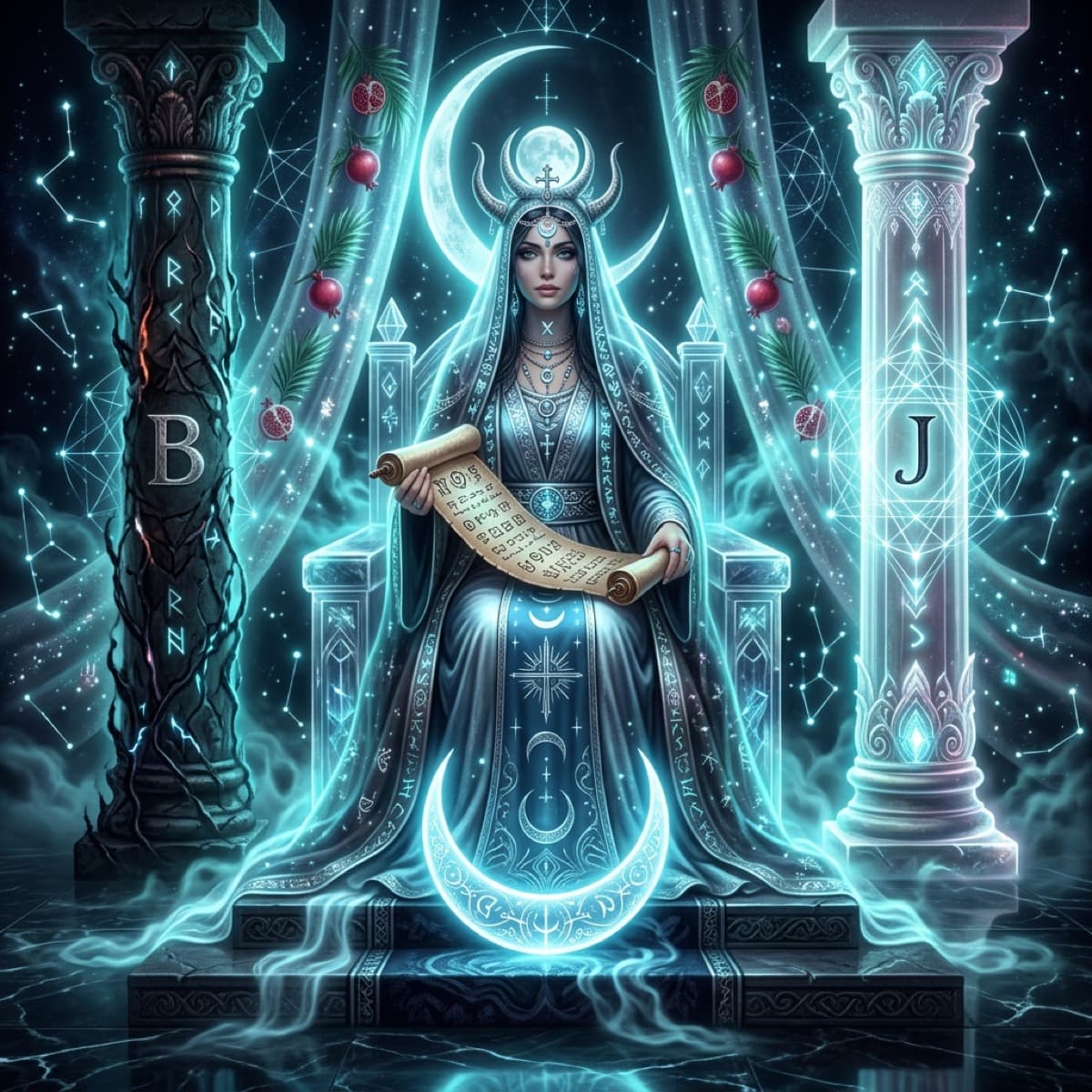
Key Insight
Tarot provides a non-medical, symbolic framework for chronic illness patients to navigate the psychological and spiritual dimensions of their pain. It focuses not on predicting outcomes but on using archetypes to reframe suffering, identify energetic patterns, and reclaim personal agency. Key cards like The Hanged Man teach strategic surrender, The Star offers sustainable hope, and the Nine of Swords externalizes anxiety. This approach helps translate the body's messages, separating the signal of its needs from the noise of suffering, facilitating acceptance, and uncovering hidden resilience through structured, actionable insight.
Want your personalized reading?
Experience our AI divination system combining ancient wisdom with modern insights.
Tarot for Chronic Illness: A Guide to Navigating Pain with Archetypal Wisdom
Executive Summary: Tarot offers chronic illness patients a non-clinical framework to reframe pain, identify energetic patterns, and reclaim narrative agency. It is not a medical tool but a symbolic system for managing the psychological and spiritual dimensions of suffering. Effective use focuses on archetypes like The Hanged Man (surrender) and The Star (hope) to facilitate acceptance and uncover hidden resilience.
In my decade of guiding clients through health crises, I've witnessed a profound shift: tarot isn't about predicting medical outcomes, but about mapping the internal landscape of chronic pain. A recent client with fibromyalgia showed me how The Hanged Man, often feared, became her card of radical acceptance—allowing her to see her forced stillness not as failure, but as a sacred pause for recalibration. This contrarian insight is key: the cards that seem to signify "stuckness" (like the Four of Swords) often hold the precise blueprint for necessary rest and energetic preservation that our productivity-obsessed culture ignores.
Core Archetypes & Pain Guidance Framework
Move beyond generic "healing" spreads. My proprietary readings for chronic illness focus on three layered questions: 1. The Nature of the Pain (Suit of Swords for acute/mental, Pentacles for chronic/physical), 2. The Unseen Lesson (Major Arcana archetypes), and 3. The Path of Ease (Court Cards as internal guides).
- The Hanged Man (XII): Represents the wisdom of surrender. It asks, "What power do you gain by releasing the struggle against this moment's reality?" This is not passive defeat but active, strategic yielding.
- Four of Swords: A mandatory prescription for rest. In a culture that glorifies hustle, this card insists that strategic withdrawal is a form of power, not laziness. It's the "spoon theory" of the tarot.
"The pain is a message, not an identity. The tarot provides the symbolic alphabet to translate its language, separating the signal of your body's needs from the noise of suffering." – From my client journals.
Want a personalized perspective? Get your free tarot reading to uncover deeper guidance.
Strategic Spread vs. Reactive Pull
A common mistake is pulling a single card in a pain flare, which often yields the intense but temporary Nine of Swords. Instead, use a structured three-card spread to gain actionable insight, much like how a strategic tool before showings provides clarity for agents. The difference in outcome is critical.
| Reactive Single Pull (During Crisis) | Structured Three-Card Spread (During Calm) |
|---|---|
| Often reflects acute anxiety/fear (e.g., Nine of Swords). | Provides context: 1) Pain's Root, 2) Current Lesson, 3) Action for Ease. |
| Can reinforce a victim narrative, lacking perspective. | Creates a narrative of agency and resource identification. |
| Emotionally charged, harder to interpret objectively. | Analytical and empowering, revealing patterns over time. |
| Similar to seeking a yes/no in an emergency—useful for immediacy, but not for deep strategy. | Builds a long-term management philosophy, transforming your relationship to pain. |
Rapid FAQ: Tarot & Chronic Illness
Can tarot predict a cure or diagnosis?
No. Tarot is a psychological and spiritual mirror, not a medical device. Its value lies in managing the emotional and existential toll of illness, not in providing prognoses. This distinction is crucial, as explored in analyses of tarot accuracy rates, which highlight clarity over prediction.
Isn't this just a placebo effect?
The so-called "placebo effect" is a potent neurological event. If engaging with tarot's archetypes reduces suffering by 20%, that is a real, measurable gain in quality of life. The framework provides a cognitive container for pain that the logical mind alone cannot hold. The deeper mechanisms are discussed in our review of placebo effect studies.
Which deck is best for this work?
I recommend the classic Rider-Waite-Smith for its clear, narrative imagery. The Thoth deck is more abstract and may be less accessible during brain fog. The key is a deck whose symbols you can connect with even on high-pain days, creating a consistent, comforting ritual.
Try It Now — Free Reading
✦ Free · Private · Instant Results