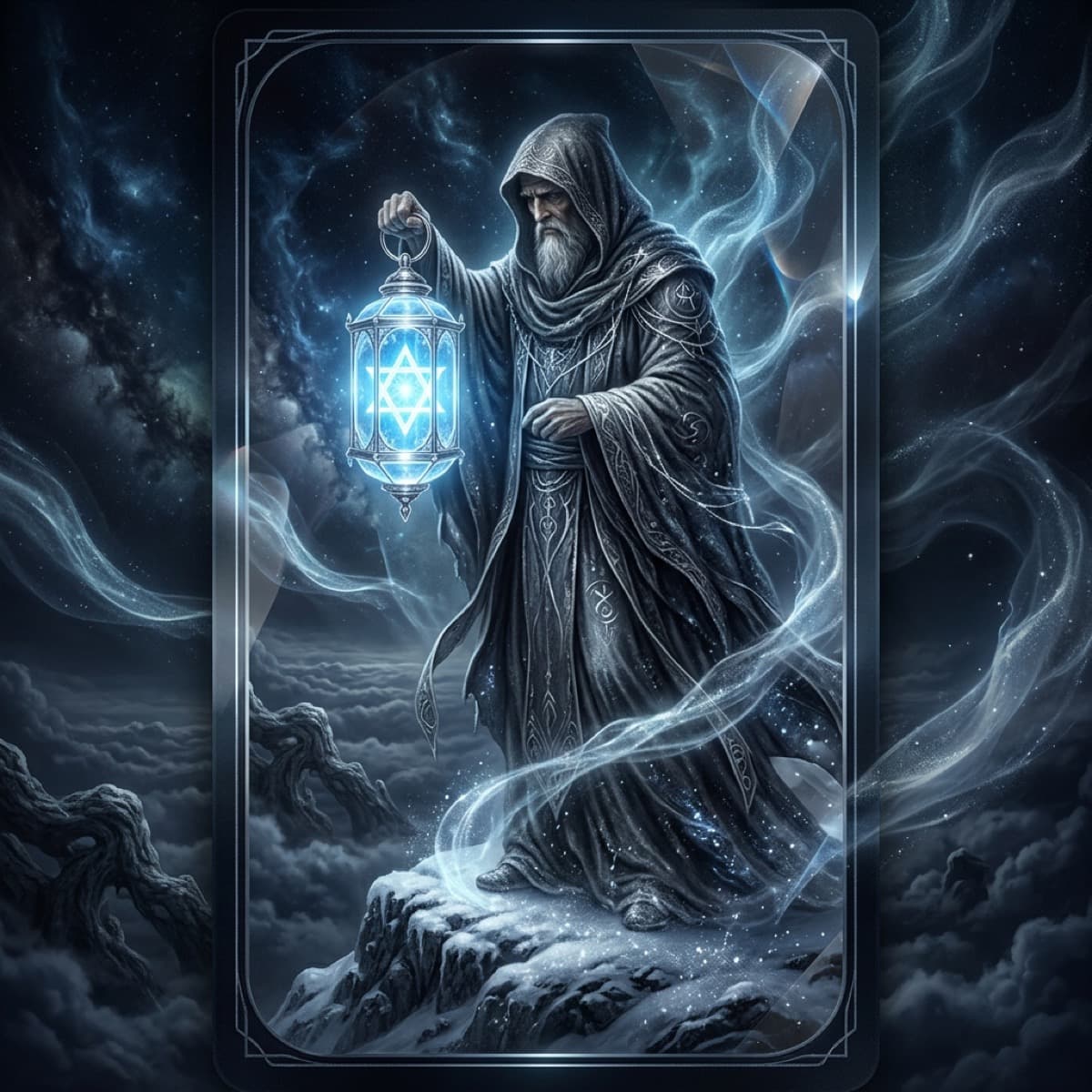
Key Insight
For former Christians, tarot serves as a non-dogmatic tool for spiritual exploration, shifting focus from doctrine to personal insight. It provides a framework for introspection, reclaiming intuition, and building a self-directed, compassionate practice. The practice is reframed from forbidden to a psychological tool, using symbolism as a personal language for internal states. By replacing concepts like sin with shadow work and divine will with personal agency, tarot offers a path to spiritual autonomy, using intention as a compass and journaling as reflective practice to illuminate one's own path without prescribed beliefs.
Want your personalized reading?
Experience our AI divination system combining ancient wisdom with modern insights.
Executive Summary: For ex-Christians, tarot offers a non-dogmatic tool for spiritual exploration, focusing on personal insight over doctrine. It provides a framework for introspection, reclaiming intuition, and building a self-directed, compassionate practice. This guide focuses on reframing common concerns and using the cards for psychological and spiritual growth without dogma.
From Doctrine to Direct Insight: Reclaiming Your Spiritual Narrative
In my decade of guiding clients, I've found ex-Christians are uniquely positioned for profound tarot work. You already understand sacred symbolism, ritual, and the longing for connection. The shift isn't toward a new "belief," but toward a new method of inquiry. Where dogma gave answers, tarot offers questions. A card like The Hierophant, once seen as rigid church authority, can be reframed in your personal practice as the inner teacher or the wisdom of tradition you choose to integrate consciously. This reclamation is powerful. I recently worked with a client who left evangelicalism; she saw the Devil card not as literal evil, but as the self-imposed binds of her old belief system, leading to a breakthrough in personal liberation.
Want a personalized perspective? Get your free tarot reading to uncover deeper guidance.
A Practical Framework: Tools Over Rules
Try It Now — Free Reading
✦ Free · Private · Instant Results
Your new spirituality is built on autonomy. Use these structures to support, not restrict.
- Intention is Your Compass: Begin each reading with "What do I need to see for my highest growth?" not "What does fate decree?" This centers your authority.
- Journaling as Prayer: Replace rote prayer with reflective writing on your draws. Ask: "How does this card mirror my current emotional landscape?" This builds a practical intuition valuable in all life areas.
This approach is particularly effective for navigating specific life transitions, much like using a targeted spread for post-divorce emotions, providing clarity without prescribed morality.
| Old Christian Framework | New Tarot-Based Perspective |
|---|---|
| Sin / Guilt | Shadow Work & Integration (See: The Devil, 5 of Cups) |
| Divine Will / Submission | Co-Creation & Personal Agency (See: The Magician, The World) |
| Fixed Scripture | Evolving, Personal Myth & Symbol |
| Fear of "Occult" | Tool for Psychological & Spiritual Insight |
"The cards don't tell your future; they illuminate the path your soul is already walking. Your job isn't to obey, but to choose with greater awareness." – From my client journals.
FAQ: Addressing Common Concerns
Isn't tarot forbidden or "evil"?
This fear stems from dogma. In practice, tarot is paper and ink. The "magic" is in your mindful engagement with its symbols, no different than analyzing a profound dream or piece of art. It’s a mirror, not a medium.
How do I start without feeling overwhelmed?
Begin with a single daily card pull. Use a simple one-card spread PDF to document your impressions. Treat it as a meditation prompt, not a test. Your intuitive muscles, long dormant under doctrine, will awaken.
Can tarot help with practical life goals, not just "spiritual" stuff?
Absolutely. It's a superb tool for strategic insight. For instance, you can use it to gauge energy and strategy for a 100-day manifestation challenge, breaking free from the "pray and wait" model into one of active co-creation.
Try It Now — Free Reading
✦ Free · Private · Instant Results