
Key Insight
Tarot offers lawyers a structured, non-mystical tool for scenario analysis and pattern recognition. By framing cards as 'witnesses' and spreads as a 'courtroom,' it externalizes cognitive biases and illuminates hidden variables in complex cases. This method acts as a cognitive audit, helping legal professionals access subconscious intelligence, weigh incomplete evidence, and anticipate opposition strategies through a disciplined, evidence-based approach to intuitive insight.
Want your personalized reading?
Experience our AI divination system combining ancient wisdom with modern insights.
Executive Summary
Tarot for lawyers is not about predicting verdicts; it’s a structured framework for pattern recognition, scenario analysis, and accessing subconscious intelligence. It provides an evidence-based approach to intuition by externalizing cognitive biases and illuminating hidden variables in complex cases, acting as a cognitive audit tool for legal strategy.
The Lawyer's Mind vs. The Tarot’s Framework
Try It Now — Free Reading
✦ Free · Private · Instant Results
In my decade of guiding professionals, I’ve found lawyers are uniquely positioned to benefit from tarot’s structure. You’re trained to weigh evidence, construct narratives, and anticipate opposition. Tarot mirrors this process. Each card is a "witness" with a specific testimony (symbolism), and the spread is your "courtroom" where facts are presented. The so-called "intuition" you access isn't mystical guesswork; it's your trained, analytical mind making rapid connections between disparate data points. A recent corporate client, paralyzed by a merger’s contractual ambiguities, used a simple three-card spread not to get an answer, but to reveal the emotional undercurrents (The Moon) and hidden agendas (Seven of Swords) their due diligence had missed, leading them to a crucial line of questioning.
This tool is particularly potent for high-stakes scenarios where data is incomplete, like navigating the psychological pressures of financial uncertainty or strategizing in emotionally charged disputes. Consider tarot as a deposition for your own psyche, forcing you to confront assumptions.
| Legal Thinking Mode | Tarot Card & Function | Cognitive Benefit |
|---|---|---|
| Scenario Planning (Best/Worst Case) | The Wheel of Fortune (Change) & The Tower (Upheaval) | Visualizes volatility and forces contingency planning beyond linear projections. |
| Weighing Testimony & Evidence | Justice (Balance) & Page of Swords (Curiosity) | Highlights bias in your own assessment and flags areas needing deeper investigation. |
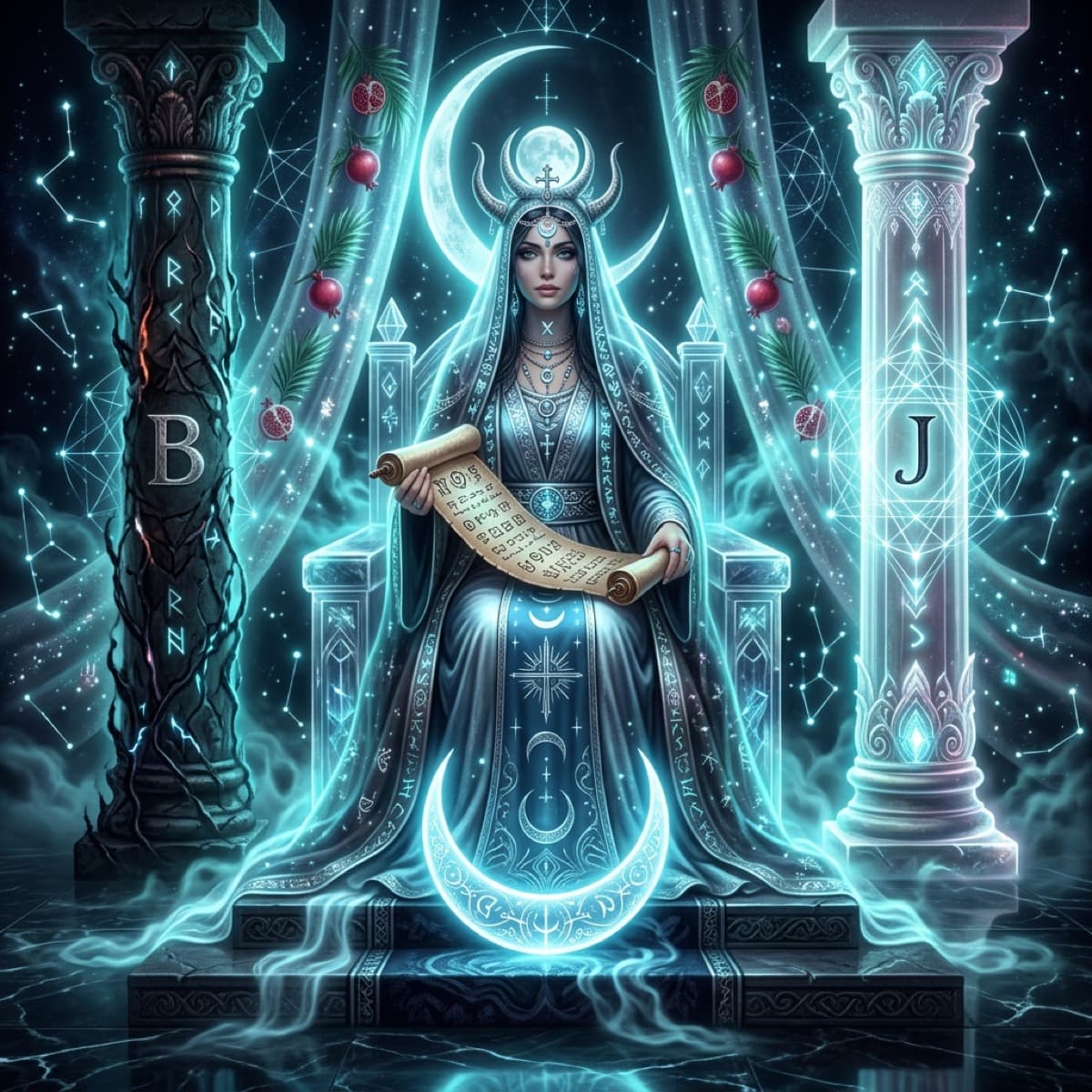
| Understanding Motive & Intent | The High Priestess (Secrets) & Knight of Cups (Persuasion) | Accesses subconscious reads on opposing counsel or client behavior that logic alone dismisses. |
"The cards don't tell you what will happen. They show you the landscape of possibilities your brilliant, overworked mind has already mapped but hasn't yet consciously acknowledged." – From my sessions with a litigator specializing in intellectual property.
Feeling uncertain about your next step? Consult the tarot for free and find the clarity you need today.
Building Your Evidence-Based Practice
Forget "fortune-telling." Your approach must be methodological. Start with a single, focused question: "What is the core weakness in my adversary's argument?" or "What unforeseen factor is most likely to disrupt settlement talks?" Shuffle. Draw one card. Treat it as the first piece of evidence in a new line of inquiry.
- Document the "Discovery": Keep a dedicated legal pad. Note the card, its traditional meaning, and the first three case-related thoughts it triggers. This is your deposition transcript.
This rigorous approach aligns with the statistical and cognitive frameworks that debunk pure skepticism, positioning tarot as a tool for enhanced decision-making. It's also remarkably accessible; you can begin this practice immediately using smartphone apps for tarot or even a regular deck of playing cards to build the habit.
Rapid FAQ: The Legal Mind's Objections
Isn't this just confirmation bias?
It can be, if used poorly. That’s why the "cross-examination" step is critical. You are using an external, randomized stimulus (the shuffle) to break your existing bias and force novel neural pathways. The card you resist the most often holds the key insight.
How is this different from simply brainstorming?
Brainstorming operates within your conscious cognitive boundaries. Tarot’s archetypal imagery taps the subconscious, accessing pattern recognition and emotional intelligence your logical mind often shelves. It’s structured, focused brainstorming with a millennia-old symbolic language.
Can this help with client management or personal career decisions?
Absolutely. The same framework applies. A card like The Empress (nurturance, resources) might highlight a need for better client communication, while The Chariot (control, will) could point to taking decisive action on a partnership offer. It’s a system for clarifying values and strategy, applicable to personal crossroads as much as case strategy.
Try It Now — Free Reading
✦ Free · Private · Instant Results