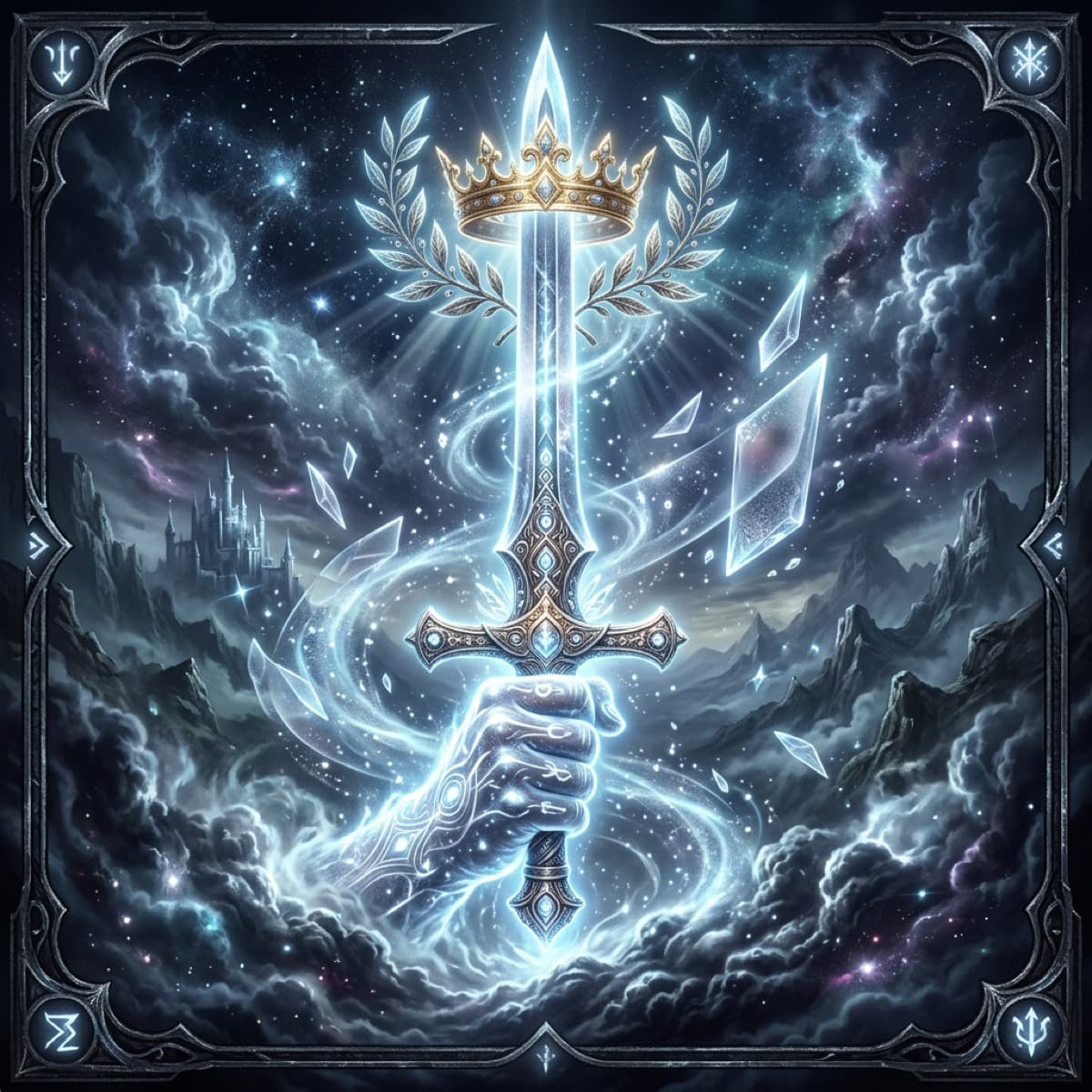
Key Insight
The debate over tarot as real divine guidance or a fake practice is a false binary. Professional readers view the cards not as magical fortune-telling devices but as tangible tools for accessing subconscious wisdom and archetypal patterns. The process works through psychological reflection and synchronicity—meaningful coincidence—where the 'random' card draw consistently yields deeply relevant insights. The 'divine' aspect is often a personal interpretation of this profound alignment between a querent's energy and the deck's symbolic language. The real value lies not in predicting a fixed future but in illuminating the present with clarity, enabling conscious choice and greater self-awareness.
Want your personalized reading?
Experience our AI divination system combining ancient wisdom with modern insights.
Executive Summary: The "real or fake" debate on tarot as divine guidance is a false binary. In my professional experience, the cards are a real, tangible tool for accessing subconscious wisdom and archetypal patterns, not a fake fortune-telling gimmick. The "divine" aspect is a personal interpretation of the profound synchronicity that occurs when a querent's energy meets the symbolic language of the deck.
The Core of the Debate: A Reader's Breakdown
After a decade of guiding thousands of clients, I've seen the debate from all sides. The skepticism is healthy, but it often misunderstands the mechanism. The cards themselves aren't magical; the magic is in the focused, reflective process they trigger. This isn't about predicting a fixed future, but illuminating the present with uncanny accuracy. The table below clarifies the common misconceptions versus the operative reality I witness daily.
| Common "Fake" Argument | The "Real" Operative Principle (From Experience) |
|---|---|
| "It's random card shuffling." | The shuffle is a ritual to quiet the conscious mind, allowing the subconscious—yours or the reader's—to guide the selection. The "random" draw consistently yields relevant cards, a phenomenon Jung called synchronicity. |
| "It's vague and could apply to anyone." | A skilled reading is highly specific. A recent client drew the Five of Pentacles in a career spread, lamenting financial worry. The card's imagery (two figures outside a church) led us to discuss her ignoring a supportive "spiritual home"—her own neglected network—which was the real blockage. |
| "It's just psychological manipulation." | It is deeply psychological, and that's its power. The cards act as a mirror for archetypal psychology, making internal conflicts external and discussable. This is real therapeutic utility, not fake mysticism. |
Is the Guidance "Divine"? A Personal Perspective
Try It Now — Free Reading
✦ Free · Private · Instant Results
This is the most intimate layer of the debate. I do not claim to channel a specific deity. Instead, I see the "divine" as the intelligent, organizing principle of the universe—the source of intuition, pattern, and meaning. When a spread like the Celtic Cross lays out a narrative that perfectly encapsulates a client's hidden struggle, it feels like tapping into a larger intelligence. It's less about receiving a message "from" somewhere and more about aligning "with" a deeper current of understanding.
The cards don't tell you your future; they show you your present with such clarity that your future becomes yours to consciously shape.
This is where the tool's real value lies. It bypasses ego and rationalization, offering a symbolic snapshot of your energy. For instance, consistent pulls of the Swords suit often reveal a mental energy pattern of anxiety that the client hadn't articulated. Is that divine guidance, or simply a sophisticated form of self-reflection? In my practice, the distinction blurs into irrelevance. The outcome—greater self-awareness and actionable insight—is undeniably real.
Ready to explore this for yourself? Try a free tarot reading now and see what the universe reveals about your situation.
FAQ: The Tarot Guidance Debate
If it's not "fake," can it be 100% accurate?
Tarot accuracy isn't about factual precision like a weather report. It's about symbolic and emotional resonance. A reading's "accuracy" is proven by the querent's visceral recognition of the themes, not by predicting lottery numbers. The specificity comes from context, not the cards in isolation.
Doesn't this create a self-fulfilling prophecy?
It can, which is why ethical readers emphasize agency. The cards suggest potentials and energies, not decrees. A warning in a spread is a chance to course-correct, not a fate to resign to. Understanding this dynamic is key to using tarot as a tool for empowerment, not a trap.
How do you explain "scary accurate" readings?
These moments are the heart of the practice. They occur when the symbolic language of the deck, the reader's intuition, and the querent's sincere energy create a perfect conduit for insight. It transcends chance, pointing to tarot as a real intuitive guidance system operating on levels we are still learning to measure.
Try It Now — Free Reading
✦ Free · Private · Instant Results