tarot5 min read

The Hierophant Tarot Card: Meaning, Symbolism & Spiritual Guidance

AI
Kepsec AISpiritual Engine
April 13, 2026
The Hierophant Tarot Card: Meaning, Symbolism & Spiritual Guidance
Core Element

Key Insight

The Hierophant (V) in the Tarot represents the bridge between divine wisdom and human understanding, symbolizing tradition, spiritual mentorship, and established belief systems. In its upright position, it calls for conformity to doctrine, seeking higher education, and honoring societal norms like marriage. When reversed, it indicates rebellion against dogma, rejecting conventional paths, and forging one's own spiritual or ethical code. Its symbolism—including the triple crown, crossed keys, and kneeling initiates—teaches that enlightenment requires balancing personal discovery with learning from traditional masters.

Semantic Entity:V The Hierophant Tarot Card Meaning and Symbolism
The Hierophant Tarot Card: Meaning, Symbolism & Spiritual Guidance

At its core, The Hierophant, numbered V in the Major Arcana, represents the bridge between the divine and the human, the sacred knowledge passed down through established systems, traditions, and institutions. It is the card of spiritual education, conventional wisdom, conformity, and seeking counsel from a higher authority or a structured belief system. When this card appears, it calls you to honor tradition, seek mentorship, and find meaning within a collective framework or shared set of values.

Core Breakdown: The Hierophant's Upright & Reversed Meanings

To instantly grasp the dual nature of this complex archetype, here is a clear breakdown of its core meanings in both orientations:

AspectUpright Meaning (Key Themes)Reversed Meaning (Key Themes)
Spiritual & BeliefTraditional religion, spiritual mentorship, orthodox teachings, conformity to doctrine, blessing, sacred rituals.Rebellion against dogma, unorthodox beliefs, spiritual exploration outside institutions, personal dogma.
Education & KnowledgeHigher education, formal training, apprenticeships, learning from established experts, conventional wisdom.Rejecting conventional education, self-taught paths, misinformation, poor advice, academic scandal.
Society & SystemsMarriage, institutional approval, societal norms, corporate culture, tradition, conformity.Breaking conventions, social rebellion, non-conformity, challenging the status quo, excommunication.
Personal GuidanceSeeking a mentor, following moral codes, group identification, ethical alignment.Questioning authority, forging your own path, unethical behavior, misuse of authority.

Deep Dive into the Hierophant's Symbolism and Spiritual Discourse

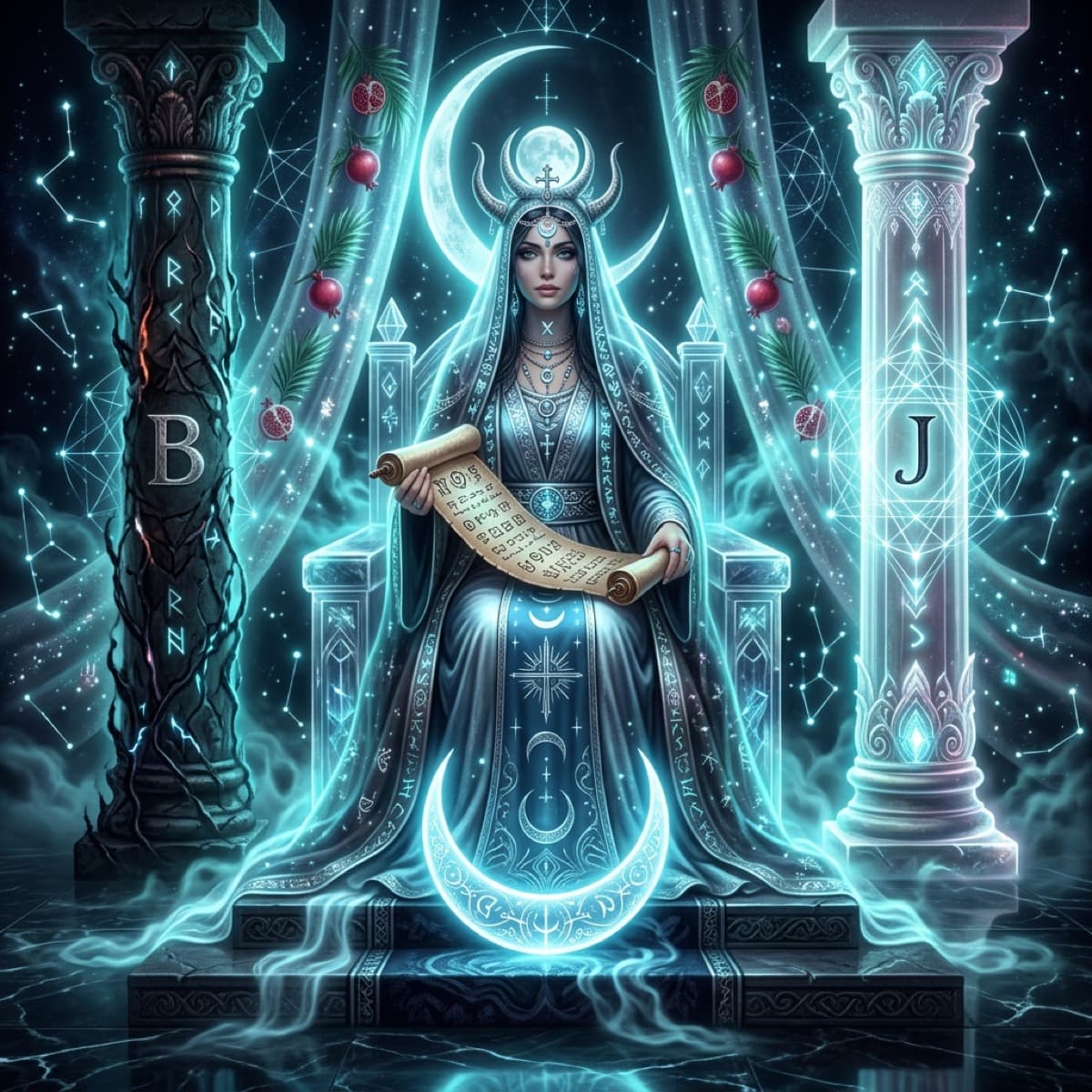
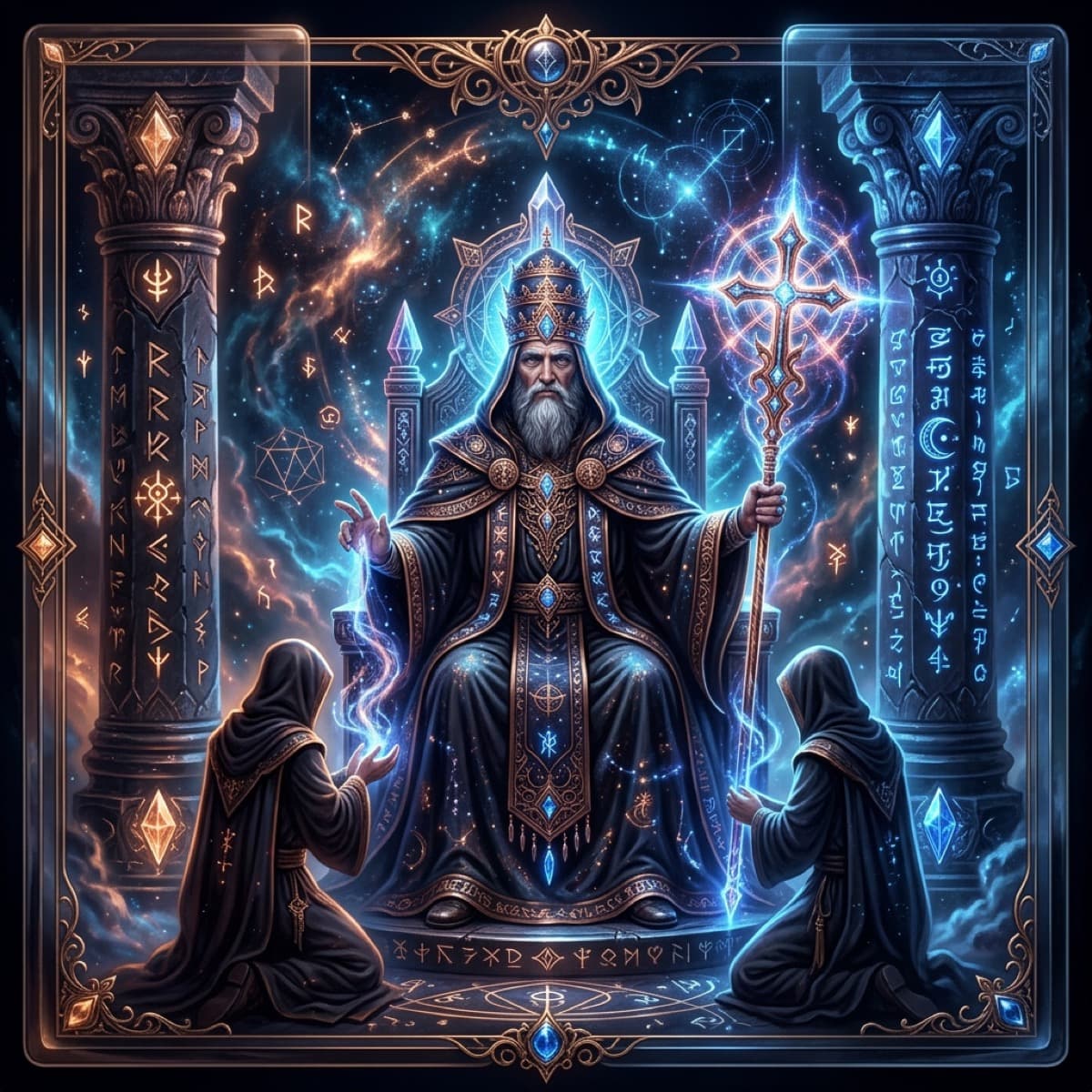
The Hierophant sits on a throne between two pillars, echoing the structure seen in cards like The High Priestess. However, where she guards esoteric, hidden secrets, The Hierophant offers exoteric, revealed knowledge. He is the public face of spiritual authority. The triple-tiered crown signifies his rule over the three worlds—conscious, subconscious, and superconscious—or the Holy Trinity in many traditions. In his left hand, he holds a triple-cross scepter, a symbol of papal authority and divine power made manifest in the physical world.

The two kneeling figures at his feet represent the acolytes or initiates seeking knowledge. Their gray and flowered robes symbolize the need to balance the material world (gray) with spiritual growth (flowers). The crossed keys at his feet are a potent symbol. They represent the keys to the Kingdom of Heaven, or metaphorically, the keys to spiritual understanding and worldly wisdom. They suggest that enlightenment often comes through understanding and navigating established structures, not just by transcending them.

The Hierophant's deepest spiritual lesson is this: True wisdom often requires both the rebellious spark of personal discovery and the humbling act of learning from the masters who came before. It is the balance between the inner authority of The Empress and the outer, structured authority of The Emperor.

This card asks: Are you too rigidly adhering to rules, or are you wisely learning from tradition? It can indicate a time for formal commitment, like marriage or graduation, or a need to find a teacher, therapist, or guide. In contrast to the assertive, action-oriented leadership of The Emperor's spiritual guidance, The Hierophant's leadership is about spiritual counsel, shared belief, and collective ritual.

The Hierophant in Love, Career, and Personal Growth

In Love & Relationships

Upright, The Hierophant strongly points to commitment, marriage, and traditional relationships. It signifies aligning with family expectations, seeking blessings, or building a partnership based on shared values and beliefs. It can suggest meeting someone through conventional channels (church, school, family). Reversed, it warns of relationships that feel stifling, rebel against commitment, or involve challenging societal norms (like unconventional partnerships). It can indicate a need to define your own relationship rules outside of tradition.

This contrasts with the nurturing, abundant connection of The Empress in love, which is more about sensual, creative bonding, and the structured, protective dynamic of The Emperor in love, which focuses on stability and roles.

In Career & Finance

This card favors established institutions: academia, religious organizations, government, or large corporations with strong cultures. Upright, it signifies getting a degree, corporate training, mentorship, or following proven methods for success. It advises working within the system to advance. Reversed, it suggests feeling trapped in a bureaucratic job, rejecting corporate culture, or becoming a freelancer/entrepreneur. It can warn of unethical practices or a misuse of authority in your workplace.

Compare this to the abundant, creative career flow of The Empress in career and the strategic, authoritative control highlighted in The Emperor in career.

As a Spiritual Mirror

Ultimately, The Hierophant holds up a mirror to your relationship with authority and belief. Are you the obedient student, the rebellious heretic, or the wise teacher? The card invites you to examine the traditions you uphold: which ones genuinely serve your growth, and which are merely inherited constraints? It challenges you to find your authentic spiritual voice, whether that is within a community or on a solitary path of personal creed.

Rapid FAQ: Your Pressing Questions Answered

Is The Hierophant a positive card for marriage?

Yes, in an upright position, it is one of the most positive tarot cards for marriage, long-term commitment, and receiving a blessing or formal recognition for a union. It signifies alignment, tradition, and spiritual sanctity in the partnership.

What does The Hierophant Reversed mean in a career reading?

Reversed, it often indicates frustration with rigid corporate structures, a desire to break free from traditional career paths, or exposure to unethical practices within an institution. It can be a call to become your own authority or seek alternative education.

How is The Hierophant different from The High Priestess?

While both are spiritual cards, The High Priestess represents intuitive, hidden, inner wisdom and mysteries. The Hierophant represents revealed, taught, outer wisdom and established doctrines. One is the secret; the other is the sermon. One invites you within; the other connects you to a community.

Want your personalized reading?

Experience our AI divination system combining ancient wisdom with modern insights.

Get Free Reading